


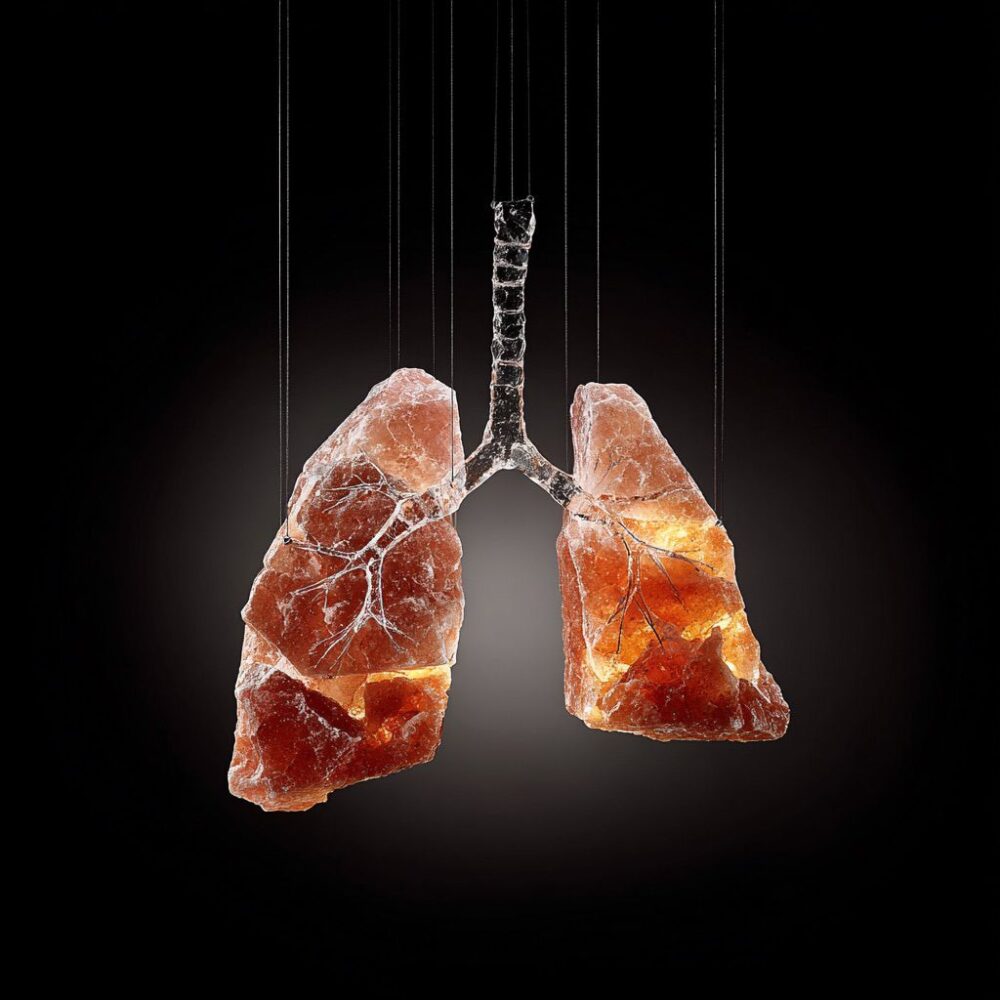
How Your Lungs Work and Why Clean Air Matters for Your Health
Introduction
Every breath you take fuels your entire body. Your lungs work nonstop to deliver oxygen to your organs and remove waste gases so your cells can produce energy. Because breathing happens automatically, many people don’t think about their lungs until they experience allergies, congestion, or difficulty breathing.
Understanding how the lungs work and why air quality matters can help you support your respiratory health and overall wellness.
At Awesome Salt Lounge in North Miami, many clients visit to relax and support their breathing in a clean salt therapy environment.
How Your Lungs Work
Your lungs are responsible for gas exchange, a process that allows oxygen to enter your bloodstream and carbon dioxide to leave your body.
When you breathe in, air travels through several structures:
- Nose or mouth
- Trachea (windpipe)
- Bronchi (large airways in the lungs)
- Bronchioles (smaller airways)
- Alveoli (tiny air sacs)
The alveoli are microscopic air sacs surrounded by tiny blood vessels called capillaries. Oxygen from the air moves across the alveolar walls into the bloodstream and is transported throughout the body.
At the same time, your body produces carbon dioxide (CO₂) as a waste product when cells use oxygen to create energy. This carbon dioxide travels through the blood back to the lungs and is removed when you breathe out.
Removing CO₂ is essential because if it builds up in the body it can disrupt the blood’s chemical balance and interfere with normal organ function. Healthy lungs help maintain this balance with every breath.
The average adult breathes about 20,000 times per day, meaning your lungs are constantly exposed to whatever particles exist in the air.
Why Clean Air Is Important for Lung Health
The lungs are designed to filter particles, but poor air quality can still affect the respiratory system. Common airborne irritants include:
- Dust
- Pollen
- Pollution
- Smoke
- Mold spores
- Environmental allergens
When these particles enter the airways, the body may respond by producing mucus and triggering inflammation to trap and remove the irritants. Over time, exposure to polluted air can contribute to congestion, coughing, sinus pressure, and breathing discomfort. Breathing clean air helps the lungs perform their natural gas exchange more efficiently and supports healthier respiratory function.
Why Ocean Air Often Feels Easier to Breathe
Many people notice they feel better when they spend time near the ocean. Coastal air naturally contains tiny salt particles created when waves break and release microscopic droplets of seawater into the air. These salt particles become suspended in the air and may create an environment that feels refreshing and soothing for breathing. This natural phenomenon is one of the reasons salt caves and salt therapy rooms have become popular wellness environments.
What Happens When You Breathe Salt Particles
Salt therapy, also known as halotherapy, recreates a dry salt environment similar to natural salt caves or coastal air. During a salt therapy session, a device called a halogenerator disperses very fine particles of pharmaceutical-grade salt into the air. These microscopic particles can travel through the respiratory tract when inhaled. Salt particles may interact with the airways in several ways.
Helps Support Airway Clearance
Salt has natural hygroscopic properties, meaning it attracts water. When inhaled, it may help draw moisture toward mucus in the airways, which can make mucus thinner and easier for the body to clear.
Supports the Lungs’ Natural Cleaning System
The respiratory system contains tiny hair-like structures called cilia that help move mucus and trapped particles out of the airways. When mucus becomes thinner, this natural cleaning system may work more efficiently.
Creates a Clean Breathing Environment
Salt therapy rooms are designed to provide a calm, controlled environment where people can relax while breathing air enriched with fine salt particles.
Why People Visit Salt Rooms
People visit salt rooms for many reasons related to respiratory and overall wellness.
Some common reasons include:
• seasonal allergies
• sinus congestion
• respiratory wellness support
• relaxation and stress reduction
• skin health support
• recovery after colds
Many visitors also enjoy the peaceful environment of a salt room, which often features Himalayan salt walls and soft lighting designed to promote relaxation.
Supporting Your Lung Health
Your lungs work for you every second of the day. Supporting respiratory health can include simple habits such as:
- spending time in clean outdoor air
- avoiding smoke and pollutants
- staying hydrated
- practicing deep breathing
- maintaining overall wellness
Creating opportunities to breathe clean air can help support the lungs’ natural ability to exchange oxygen and remove carbon dioxide.
Experience Salt Therapy in North Miami
At Awesome Salt Lounge in North Miami, we created a relaxing salt therapy environment designed to help people unwind while breathing clean air enriched with fine salt particles.
Whether you are looking to relax, support respiratory wellness, or simply take a break from the stress of daily life, salt therapy offers a peaceful space to focus on your breathing and well-being.
Your lungs work for you every moment of the day. Taking time to breathe clean air and support your respiratory health may be one of the simplest ways to care for your body.
You May Also Read: The Power of Touch: How Massage and Relaxation Help Calm Pain